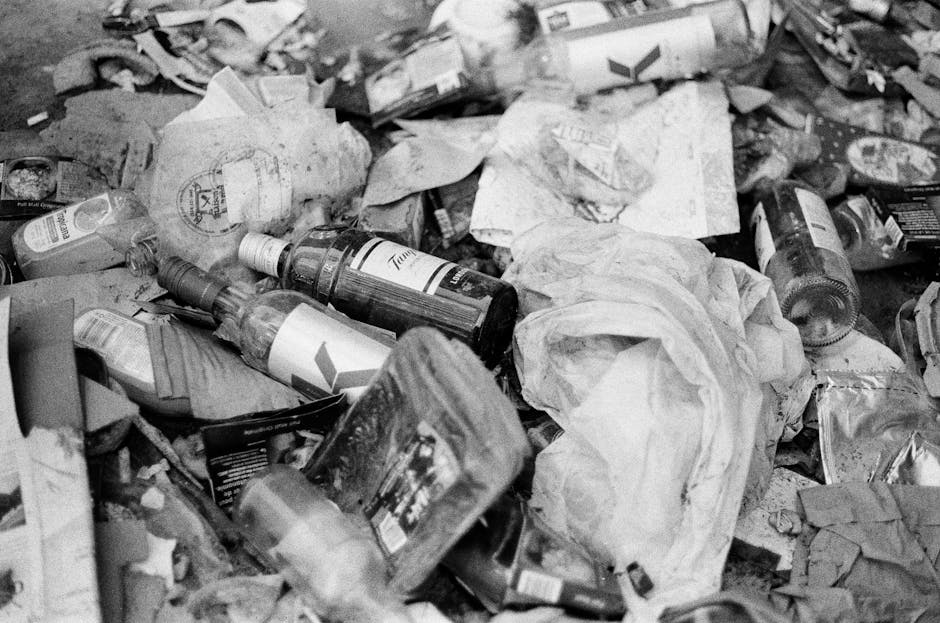
Clearing waste around The Mayflower pub, Rotherhithe: a practical guide to getting the job done properly
If you are dealing with clutter, bulky rubbish, refurbishment debris, or the awkward leftover mess that tends to build up near a busy hospitality spot, clearing waste around The Mayflower pub, Rotherhithe needs a thoughtful approach. The area has a lot going on: foot traffic, narrow access in places, neighbouring homes, and the usual challenge of working tidily without getting in anyone's way. That means this is not just about "getting rid of junk". It is about doing it safely, efficiently, and with as little disruption as possible.
Whether you are a pub operator, a nearby resident, a landlord, a tradesperson, or someone managing a one-off clean-up, the right waste plan can save time and reduce stress. This guide explains how the process works, what to avoid, and how to choose the right clearance method for the type of waste you have. You will also find a practical checklist, comparison table, and answers to common questions people ask before booking a clearance.
For readers comparing services, it can help to look at broader support pages too, such as waste removal in Rotherhithe, builders waste clearance, or furniture disposal if the job involves bulky items or post-refit debris.
Quick takeaway: good waste clearance around a busy pub area is about access, timing, sorting, and choosing the right disposal route first time.
Table of Contents
- Why Clearing waste around The Mayflower pub, Rotherhithe Matters
- How Clearing waste around The Mayflower pub, Rotherhithe Works
- Key Benefits and Practical Advantages
- Who This Is For and When It Makes Sense
- Step-by-Step Guidance
- Expert Tips for Better Results
- Common Mistakes to Avoid
- Tools, Resources and Recommendations
- Law, Compliance, Standards, or Best Practice
- Options, Methods, or Comparison Table
- Case Study or Real-World Example
- Practical Checklist
- Conclusion
- Frequently Asked Questions
Why Clearing waste around The Mayflower pub, Rotherhithe Matters
The Mayflower is one of those locations where the surroundings matter almost as much as the job itself. You are not clearing waste in an isolated industrial yard. You are working in a part of Rotherhithe where access, appearance, and neighbour relations can all affect the outcome. That is true for routine rubbish removal, seasonal clean-outs, post-maintenance waste, and larger one-off clearances.
Waste left too long can quickly become more than an eyesore. It can attract pests, create trip hazards, block routes, and make deliveries or customer access awkward. In hospitality settings, even a modest pile of waste can have an outsized impact because staff are busy and space is usually limited. A poorly managed clean-up can also create avoidable complaints from nearby residents or passers-by. Nobody wants a neat pub fronted by a messy skip-area look. Let's face it, first impressions count.
There is also the operational side. If you are running a pub, cafe, letting property, or nearby business, waste build-up can slow down day-to-day work. Empty boxes, broken furniture, redundant fixtures, packaging, and garden waste from outdoor areas all need a sensible route out. That is where a structured clearance plan makes a real difference.
For larger premises or mixed-use sites, it may help to compare service types such as office clearance for back-office areas, business waste removal for ongoing commercial waste, or garden clearance if the issue extends to outdoor seating or frontage areas.
How Clearing waste around The Mayflower pub, Rotherhithe Works
In practical terms, the process is straightforward, but the quality of the result depends on planning. A proper waste clearance usually starts with a quick assessment of what needs removing, how much there is, and where it is located. That might sound obvious, but the difference between a smooth job and a frustrating one often comes down to access. Can a van pull up nearby? Is there on-street loading space? Are there stairs, tight corners, or shared entrances? These details matter.
From there, waste is usually grouped into broad categories: general rubbish, furniture, reusable items, green waste, building debris, and specialist materials that may need separate handling. If you are clearing after repairs or a refit, builders waste clearance is especially useful because mixed rubble, timber, plasterboard, and packaging all behave differently on site.
Once the waste is identified, it can be loaded, sorted, and taken away for appropriate disposal or recycling. The best operators work neatly and keep disturbance low. That means protecting floors where needed, keeping routes clear, and avoiding unnecessary mess on pavements or shared access areas. In some cases, items are removed in stages rather than all at once, especially where the site is active and cannot be blocked off for long.
For household or rental-property clear-outs near the pub, related services like flat clearance, house clearance, and home clearance may be more appropriate than a generic waste collection. The right fit depends on whether the material is mostly bulky household items, everyday junk, or renovation residue.
Key Benefits and Practical Advantages
A well-managed clearance brings more than a cleaner space. It improves how the property functions and how people experience it. For a pub or nearby business, that can be especially valuable.
- Better presentation: clean frontage, service areas, and rear access points look more professional.
- Safer movement: fewer trip hazards, fewer blocked walkways, and less risk of staff carrying items through clutter.
- Less disruption: a well-planned clearance can happen around trading hours and quieter periods.
- More efficient use of space: dead stock, broken furniture, and unwanted rubbish stop clogging storage areas.
- Improved recycling potential: separating materials properly often leads to a better recovery outcome.
- Lower stress: one coordinated visit is usually easier than multiple ad hoc disposal runs.
For some customers, the biggest benefit is not speed, but certainty. They want to know the waste will be handled properly, that the site will be left tidy, and that the job will not create problems with neighbours or local access. That reassurance matters just as much as the physical clearance.
It can also be a surprisingly cost-effective way to regain usable space. A cellar, storeroom, garage, loft, or rear yard can change from "somewhere things get dumped" into something genuinely useful again. If you are dealing with overflow storage, the related pages for garage clearance and loft clearance are worth reviewing.
Who This Is For and When It Makes Sense
This kind of clearance is relevant to several different people, and they all have slightly different needs. That is why a one-size-fits-all approach rarely works well.
Pub and hospitality operators: ideal when you have packaging waste, worn-out furniture, old stock, broken fixtures, or clutter in rear service zones. Seasonal refreshes and pre-event tidy-ups are common reasons to act.
Nearby residents: useful if you are clearing a flat, a cellar, a shared yard, or bulky household items that do not fit standard bins. A local move, bereavement, or end-of-tenancy clean-up can also trigger the need.
Landlords and letting agents: especially when you need a property ready for new occupants quickly and cleanly. Mixed waste, old furniture, and bagged rubbish often appear together.
Trades and refurb teams: useful after minor works, joinery, decorating, or fit-out jobs where offcuts and packaging build up fast. This is where furniture clearance and builders waste support often complement each other.
Small businesses nearby: if storage areas, stock rooms, or back-of-house spaces are being reorganised, then a clearance can make the whole operation more workable.
It makes sense to book when waste is starting to interfere with safety, access, reputation, or productivity. If you are tripping over it, stepping around it, or apologising for it, that is usually your cue.
Step-by-Step Guidance
Here is a practical way to approach waste clearance around The Mayflower pub without turning it into a bigger job than it needs to be.
- Walk the site properly. Check what actually needs removing. Separate what is rubbish from what can be reused, donated, stored, or sold.
- Identify the waste type. Mixed waste, furniture, garden cuttings, office items, and building debris each need different handling.
- Check access and timing. Note loading space, stairs, gates, narrow lanes, opening hours, and any neighbour sensitivities.
- Estimate volume honestly. A small pile can hide a much larger job if there are heavy or awkward items involved.
- Decide whether sorting is needed. If you can pre-separate materials, collection may be easier and tidier.
- Book the right service. Match the job to the service type rather than asking a general collection to solve everything at once.
- Prepare the area. Move fragile items, protect floors if needed, and ensure paths are clear before the team arrives.
- Confirm disposal details. Ask how items will be handled, especially if you want recycling or responsible recovery.
- Do a final sweep. Small leftover items, broken glass, and loose packaging are easy to miss.
If the job includes bulky household items, the furniture clearance service can simplify things. For mixed household jobs, house clearance is often a better fit because it covers more than just one category of waste.
Expert Tips for Better Results
In our experience, the cleanest and quickest clearances are the ones that are planned with boring practical details in mind. Not glamorous, but effective.
Tip 1: Separate heavy from light waste. Brick rubble, wet green waste, and old furniture all affect loading time differently. Keeping them distinct saves hassle.
Tip 2: Leave access clear before the team arrives. A blocked doorway or packed corridor can slow a job down more than the waste itself.
Tip 3: Think about timing around trading hours. For hospitality sites, early morning or quieter windows are often easier than trying to work around a lunch rush.
Tip 4: Ask what happens to reusable items. If furniture, fittings, or stock can be diverted from disposal, that is usually better than sending everything straight away.
Tip 5: Keep a record of what left the site. This is especially useful for commercial premises, landlords, and managed properties where accountability matters.
Tip 6: Make one point of contact. Too many voices on site can create confusion about what stays and what goes.
Tip 7: Be realistic about mixed waste. A "bit of everything" job is common in real life. It just needs a service that can handle variety calmly and legally.
One small but valuable habit: take photos before the work starts. They help with quoting, planning, and avoiding misunderstandings. It is a simple step that often saves everyone a headache later.
Common Mistakes to Avoid
Some waste clearances go wrong because the job was badly defined, not because the service was poor. These are the mistakes that cause most of the headaches.
- Underestimating the volume: a few bags and one sofa can turn into a full van once the area is properly inspected.
- Mixing everything together: if recyclable material, green waste, and rubble are all dumped in one heap, sorting becomes slower.
- Ignoring access constraints: tight streets, delivery bays, and shared entrances need planning.
- Leaving hazardous items in the pile: anything suspect should be identified in advance, not discovered at the kerb.
- Booking the wrong service type: a domestic clearance may not be ideal for trade waste or commercial overflow.
- Assuming all waste is handled the same way: different materials follow different disposal routes.
- Forgetting neighbours or customers: noise, obstruction, and mess all matter in a public-facing area.
One of the easiest ways to avoid trouble is to treat the site like a working environment, not just a pile of items to be removed. That shift in thinking usually leads to better planning.
Tools, Resources and Recommendations
You do not need a warehouse full of kit to manage a clearance well, but a few tools and resources make the process smoother.
- Gloves and sturdy footwear: basic, sensible, and worth having on any site where heavy items are being shifted.
- Reusable sacks and boxes: useful for separating small loose waste from bulky items.
- Tape measure: handy for checking whether awkward furniture or appliances can pass through doors or stairwells.
- Labels or marker pens: helpful if you are sorting items for reuse, recycling, or disposal.
- Phone camera: ideal for documenting the waste pile before collection.
- Access notes: simple written instructions can prevent delays when the site has tight entrances or shared routes.
If you want a fuller view of responsible disposal, the recycling and sustainability page is a useful companion resource. For operators who want clarity on how their service provider works, insurance and safety and health and safety policy pages are also worth checking.
And if you are planning ahead, it is sensible to compare service options and pricing before the waste starts taking over the room. The pricing and quotes page can help you understand how to approach that conversation.
Law, Compliance, Standards, or Best Practice
Waste clearance in the UK is not just a practical task; it also carries a responsibility to dispose of items properly and in line with accepted practice. The exact obligations can vary depending on the property type, waste type, and who produced it, so it is best to be careful rather than overly certain.
For commercial settings near The Mayflower pub, it is especially important to use a provider that understands commercial waste handling, duty-of-care expectations, and safe loading practices. If the waste came from a business, there may be separate requirements around record-keeping and traceability. For household clearances, the focus is usually on responsible disposal, data-sensitive item handling if papers or devices are involved, and proper segregation of reusable or recyclable materials.
Best practice usually includes:
- keeping waste away from public paths and entrances
- not mixing unsuitable materials where separate handling is needed
- using suitable vehicles and safe lifting methods
- avoiding fly-tipping risk at all costs
- making sure the provider can explain where the waste goes
If you are clearing items that may contain confidential information, take extra care. Papers, labels, receipts, and small devices should be treated with the same caution you would use anywhere sensitive material might be visible. That is not overkill; it is common sense.
For readers who want to understand the company's approach to operational trust and transparency, supporting pages such as about us, terms and conditions, and contact us can help set expectations before a booking is made.
Options, Methods, or Comparison Table
There is more than one way to clear waste near The Mayflower, and the best option depends on how much there is, what it is made of, and how quickly it needs to go.
| Method | Best for | Advantages | Limitations |
|---|---|---|---|
| Ad hoc self-haul | Very small amounts of light waste | Flexible if you already have transport | Time-consuming, physically demanding, and less convenient for bulky items |
| Skip hire | Longer projects with steady waste output | Useful when waste accumulates over time | Needs space, permits may be needed, and access can be awkward |
| Man-and-van clearance | Mixed waste, bulky items, quick turnarounds | Fast, practical, and often easier in tight-access areas | Requires clear communication about what is included |
| Specialist service by waste type | Builders debris, furniture, garden waste, office contents | More tailored handling and better sorting | May need more than one service if waste is mixed |
For many customers, the man-and-van style approach works best around a location like The Mayflower because it is flexible and can adapt to local access conditions. For a renovation-heavy job, though, you may be better pairing that with builders waste clearance so the heaviest material is managed separately.
Case Study or Real-World Example
Imagine a nearby hospitality venue that has just finished a minor refresh. Old chairs are stacked at the back, cardboard from deliveries has piled up, and there is some leftover debris from decorating work. The manager needs the site cleared before the weekend, but the access route is narrow and staff still need to use the rear entrance.
A sensible plan would start with a quick site walk. The items are split into three groups: furniture, packaging, and light construction waste. The provider then arranges collection during a quieter window, protects the route through the service area, and loads items in a sequence that keeps the entrance usable. At the end, the area is swept and checked so nothing is left behind.
What makes this approach effective is not speed alone. It is the combination of sorting, timing, and good communication. The result is a tidier site, fewer interruptions, and a much lower chance of awkward surprises on the day. That is the practical difference between "removing waste" and actually managing a clearance properly.
Practical Checklist
Use this checklist before you book or begin clearing waste around The Mayflower pub, Rotherhithe.
- Identify exactly what needs removing
- Separate furniture, rubble, green waste, and general rubbish where possible
- Check access, parking, and loading restrictions
- Confirm the preferred collection time
- Set aside any items to keep, reuse, or donate
- Remove confidential or sensitive material in advance
- Make sure entrances and walkways are clear
- Tell neighbours or staff if the work may be noisy or briefly disruptive
- Ask how the waste will be handled or recycled
- Do a final visual check after collection
If you are handling a mixed domestic job, pages like flat clearance and home clearance are useful references for what a more comprehensive visit can cover. For storage-heavy spaces, garage clearance can be a strong fit.
Conclusion
Clearing waste around The Mayflower pub, Rotherhithe is easiest when you treat it as a small project rather than a rushed chore. The best results come from knowing the waste type, planning access carefully, and choosing a service that matches the real shape of the job. That is true whether you are dealing with a few bulky items, a post-refit tidy-up, or a larger mixed clearance.
When the work is handled properly, the benefits are immediate: better appearance, fewer hazards, improved space, and less day-to-day friction. Just as importantly, you get peace of mind that the waste is being managed responsibly and with proper attention to the site.
Get a free quote today and see how much you can save.
Frequently Asked Questions
What types of waste can usually be cleared near The Mayflower pub?
Most common loads include general rubbish, broken furniture, cardboard, packaging, green waste, and light refurbishment debris. If the site has mixed material, it is usually best to describe everything clearly before booking so the right service can be arranged.
Is it better to use a skip or a clearance service for a pub-area job?
That depends on space, timing, and the kind of waste involved. A skip can work for longer projects, but in tighter or busier areas a clearance service is often simpler because it does not require a long-standing container on site.
Can bulky items like chairs and tables be removed from a hospitality venue?
Yes. Bulky furniture is a common part of this kind of work. If the items are mostly furniture, a dedicated furniture clearance service is often the most efficient route.
How do I prepare a busy site before clearance day?
Clear access routes, identify what needs to go, set aside anything to keep, and make sure staff or neighbours know if movement will be happening through shared areas. A little preparation usually saves a lot of time on the day.
Do I need to sort waste before collection?
Not always, but sorting helps. Separating recyclable materials, furniture, and rubble can make the process smoother and may improve how efficiently the waste is handled.
What happens if the waste includes construction debris?
Construction waste should be flagged in advance because it often needs different handling from general rubbish. For those situations, builders waste clearance is the more suitable service to review.
Is commercial waste handled differently from domestic waste?
Usually, yes. Commercial waste often needs more attention to record-keeping, separation, and operational timing. If you are clearing a business site, business waste removal is the relevant starting point.
How long does a typical clearance take?
It depends on volume, access, and how mixed the waste is. A small tidy-up may be completed quickly, while a more complex clearance with bulky items and limited access can take longer. The key factor is usually the site layout.
Can recyclable items be separated from general waste?
Often, yes. Many items can be sorted for recycling or reuse, depending on condition and material type. If sustainability matters to you, the recycling and sustainability page is worth reviewing.
What should I ask before booking a waste clearance?
Ask what is included, how access is handled, whether sorting is needed, what happens to reusable items, and how pricing is structured. Clear questions usually lead to a smoother job and fewer surprises.
What if I also need household items removed from a nearby flat or house?
Then it may make sense to use a broader domestic service such as house clearance or flat clearance, depending on the property type and amount of waste.
How do I know a provider is trustworthy?
Look for clear service information, practical contact options, transparent terms, and sensible operational guidance. Support pages like about us, insurance and safety, and contact us can help you judge whether the service feels organised and credible.