Office Clearance in Rotherhithe

Office clearance in Rotherhithe should be organised around the actual contents that need removing, the access available on site and the finish you want to leave behind. We handle the clearance of desks, chairs, filing cabinets, shelving, IT-related items and mixed office contents, with work planned so that usable items, recyclable materials and general waste can be separated sensibly. That approach helps businesses, landlords and managing agents keep the process orderly while avoiding unnecessary disruption.
The service is suited to single rooms, full floors, shared workspaces and vacated premises where an office needs to be cleared for refurbishment, relocation or handover. We can remove furniture, bagged waste, archived paperwork for disposal and assorted non-hazardous items, then leave the area ready for the next stage. Clear scope and good access information make it easier to provide a quotation that reflects the work properly.
If you are planning an office clearance and want a straightforward way to begin, send through the key details and ask for a quotation.
What our office clearance covers
Office clearance work often needs more thought than simply emptying a room. Different items may need different handling, especially when a workspace contains furniture, archived paperwork, small electrical items and mixed refuse in one place. We focus on practical removal rather than a one-size-fits-all approach, so the job can be shaped around the contents that are actually present. Where useful, the clearance can also include the removal of internal storage, meeting room furniture and breakroom items that are part of the same premises.
Typical items may include desks, conference tables, office chairs, reception furniture, pedestals, cupboards and shelving, along with monitors, printers and other non-hazardous equipment that has reached the end of its life. If a unit has a combination of clear waste and reusable furniture, separating those streams can make the process more efficient. For customers comparing options, our furniture clearance service is relevant when the main issue is bulky office furniture rather than a wider room-by-room clear-out.
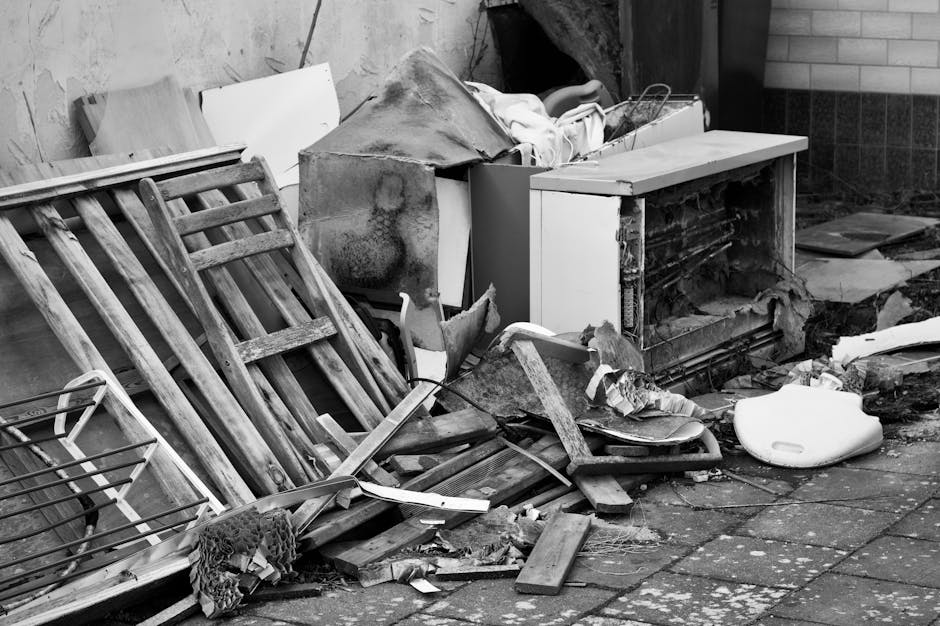
When a workplace has already been partly stripped out, the remaining work is often about finishing the job cleanly and removing whatever is left behind. That may include loose paperwork, broken chairs, old storage pieces and general clutter from under desks or along walls. If the premises are simply leaving behind an accumulation of mixed rubbish, our waste removal page covers the broader collection side of that type of work.
Planning a clearance around access and building rules

Access arrangements shape office clearance work in a very direct way. Stairwells, lifts, loading bays, restricted corridors and shared entrances all affect how items can be removed safely and efficiently. In some buildings, lift use must be coordinated with neighbours or building management, while in others there may be a narrow window for loading. The more accurately those details are set out in advance, the easier it is to plan labour and transport sensibly.
Building rules can also influence the sequence of removal. Some premises require protective measures for floors and walls, while others ask for specific collection times or advance notice before work begins. If the office is part of a managed property, it helps to understand whether keys, permits or supervised access are needed. For jobs involving occupied commercial areas, we can work in a measured way so the removal of furniture and rubbish does not interfere more than necessary with neighbouring units or remaining staff.
When you request a quotation, it is useful to note the floor level, lift availability, parking restrictions and whether the clearance includes heavier items such as cabinets or cupboards. A short inventory is usually enough to begin, although photographs can be helpful where the contents are mixed or the site layout is unusual. Contact us with the main details and we can discuss the next step clearly.
Furniture, equipment and mixed office contents
Many office clearances in Rotherhithe involve a blend of large furniture and smaller items rather than one category alone. Desks and chairs are straightforward in principle, but the job becomes more detailed when there are storage units, meeting tables, filing systems and loose contents to deal with as well. Our approach is to remove the items that need to go, then keep the clearance organised so that the floor space is left tidy and the work can progress without repeated handling.
Where office equipment is included, the important point is to identify what is removable as part of the clearance and what may need separate handling. Monitors, desktop towers, printers, docking stations and similar items can form part of a mixed office clear-out if they are non-hazardous and ready for disposal. If your premises contain a larger quantity of electronic items, the business waste removal page may also be useful because it covers commercial waste streams that are not limited to furniture.
We also deal with the less glamorous parts of office clearance: empty boxes, broken fixtures, damaged storage pieces and accumulated clutter from cupboards or back rooms. These items can take as much time as the larger furniture when they are spread across several areas, so the quotation should reflect the actual volume and the effort involved. A well-planned clearance avoids rushing through the space and makes it easier to leave the premises presentable for its next use.
How we approach disposal and sorting

Office clearance is not only about lifting items out; it is also about deciding what should be separated, recycled or removed as general waste. A sensible sorting process helps keep the clearance orderly and can reduce avoidable duplication of effort. For example, office furniture may be grouped separately from loose waste, while reusable items are kept distinct from damaged or broken materials. That structure is especially helpful in larger premises where multiple rooms are being cleared at the same time.
In practice, the mix of items will shape the work. A small office with a few desks and chairs may be cleared quickly, while a larger floor with storage, archived documents and mixed room contents needs more careful handling. We can remove office furnishings alongside other non-hazardous items from the same premises, and where the job is mostly about emptying cabinets, shelves or back-office storage, the clearance can be adapted to that layout. For broader domestic-style clearances, our flat clearance and home-clearance pages show the kind of general removal work we also handle.
If there are items that are heavily worn, broken or unsuitable for reuse, they can still be cleared as part of the service provided they fall within the non-hazardous scope of the job. It is useful to mention anything unusually bulky, awkward or heavy so that the right approach is planned from the outset. That way, the clearance can be carried out with fewer surprises and a more accurate estimate of effort.
Office clearance for moves, refurbishments and handovers
Many customers arrange office clearance because the premises are changing use. A move to new premises often leaves behind unwanted furniture, old filing storage and items that are no longer needed in the new layout. Refurbishment projects can create a similar need, particularly if the existing furniture has to be removed before decorating, partition changes or fit-out work begins. In both cases, the aim is to empty the office efficiently so the next stage can proceed without delay.
End-of-tenancy or handover clearances usually need a tidy, systematic finish. That may mean taking out desks, chairs and cabinets, then collecting remaining rubbish from drawers, shelves and corner areas so the space is left ready for inspection. If the premises are being stripped out before works commence, our builders waste clearance page is relevant where the job includes non-office debris generated by alteration or refurbishment activity. The better the scope is defined, the easier it is to keep the clearance on track.
Where the clearance is linked to a relocation, it can help to decide early which items are leaving the site, which are being kept and which are no longer required. That simple distinction can prevent confusion on the day and make the removal phase smoother. If several rooms are involved, a brief room-by-room note is often enough to structure the work and build a quotation that matches the premises more closely.
Items that need special attention

Some office items require more attention than a standard chair or desk because of their weight, awkward shape or the way they are built into the room. Tall storage units, fixed shelving, metal filing cabinets and bulky reception pieces can affect the order in which a clearance is completed. Taking these items out first can create room for easier handling, while smaller loose contents can be removed alongside them as the clearance progresses.
Paper-heavy offices also need a careful approach. Old files, binders, archive boxes and document storage can take up more room than they first appear to, especially when they are stacked in cupboards or along corridor walls. In some cases, the work may also include the removal of redundant office accessories, such as noticeboards, whiteboards, stands and smaller furniture from meeting areas. If furniture is the dominant part of the job, office-clearance style work is naturally broader than simply shifting individual items.
For workplaces with storage rooms, back offices or unused corners, the clearance often becomes easier once the hidden items are identified. Broken equipment, spare stationery, redundant displays and old packaging can all add to the load even when the room itself appears orderly. A short list of these items, or a few photographs of the main areas, can make it easier to prepare a realistic quotation without overcomplicating the process.
About Rotherhithe
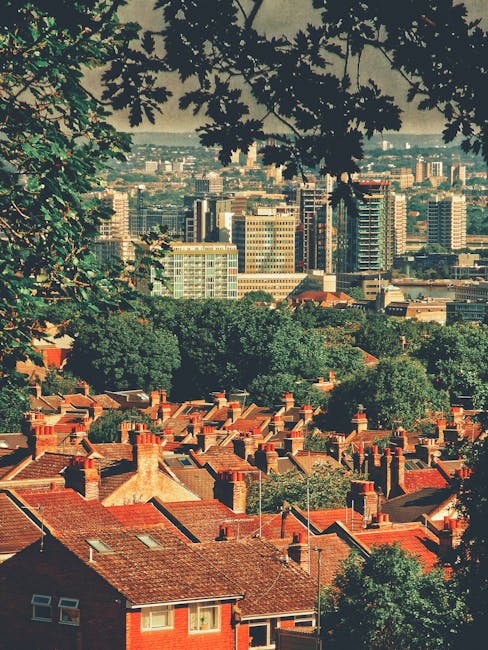
Rotherhithe is a riverside district in south-east London on the south bank of the Thames, within the wider London Borough of Southwark. Its identity has long been shaped by the river, docks and waterside industry, and many traces of that past still influence the character of the area today. The historic peninsula once formed part of the Port of London’s working landscape, with wharves, warehouses and transport links that supported trade for centuries. Some of the old dockside fabric has been replaced by later residential and commercial development, yet the river remains the defining feature, with views across to Wapping, Canary Wharf and the Isle of Dogs helping to frame the neighbourhood’s setting.
The area has a notable architectural mixture. Traditional terraces and former industrial structures sit alongside modern apartment buildings and redeveloped waterfront sites, creating a landscape that reflects successive phases of change. St Mary’s Church, one of the best-known historic buildings in the district, is closely associated with the local maritime story, while nearby streets preserve a sense of older settlement patterns that contrast with the newer riverside schemes. Rotherhithe also has close links to the Thames Path and to wider walking routes that follow the river, making the waterfront an important part of everyday movement as well as local identity. The district’s cultural memory includes immigration, shipping and dock labour, all of which helped shape the community over time. Quiet squares, pocket green spaces and waterside promenades now sit beside evidence of that layered history, giving the area a varied and recognisable character within inner London.
Furniture, waste and finishing touches
Once the main office contents have been removed, there is often a final layer of smaller items that make the difference between a partial clearance and a complete one. These may include under-desk clutter, loose waste, office accessories, cables, broken fittings and storage that has been left behind because it looked insignificant at first glance. Tidying up those remaining pieces can be just as important as removing the major furniture, particularly where the premises need to be shown to a landlord, facilities manager or incoming occupier.
We can also clear mixed contents from ancillary office spaces such as reception areas, kitchenettes, store cupboards and meeting rooms where the layout has become cluttered with items no longer needed. If a job includes furniture that is still in decent condition, it is best to describe that clearly because the type and quantity of items may affect how the clearance is organised. For customers comparing related services, our furniture-disposal page is useful where the main need is the removal of unwanted office furniture for disposal rather than a broader building clear-out.
When you are ready to move forward, a concise description of the rooms involved, the items to be removed and any site restrictions is usually enough to begin. If there is a deadline for vacating the office or a particular date when access will be available, mention that as well so the quotation can be based on the real schedule. Ask for a quotation and we can look at the scope in a practical, straightforward way.
Why a structured office clearance helps

A well-organised office clearance saves time by reducing repeated handling and confusion about what stays and what goes. When rooms are separated into clear tasks, the work can move from larger furniture to smaller loose items and finally to the last bits of remaining clutter. That sequence matters because offices often contain a mixture of furnishings, paperwork and storage that cannot be treated as a single pile without wasting effort. The result should be a space that is genuinely ready for its next use rather than only partly emptied.
There are also practical reasons to be precise about the scope. If a clearance includes only furniture, the quotation should not be based on waste that is not actually present. If the job includes filing cabinets, electrical items or archived materials, those details help shape the removal plan properly. We keep the service focused on the actual contents and the conditions on site, rather than adding assumptions. Where commercial premises contain a wider range of items, our business waste removal page can be a useful reference point for related work.
If your office in Rotherhithe needs clearing, the simplest way to begin is to outline the rooms, the types of items and any access constraints. That gives us enough to discuss the job and prepare a quotation that reflects the work as it stands. For a clear, practical start, get in touch and request your quotation today.