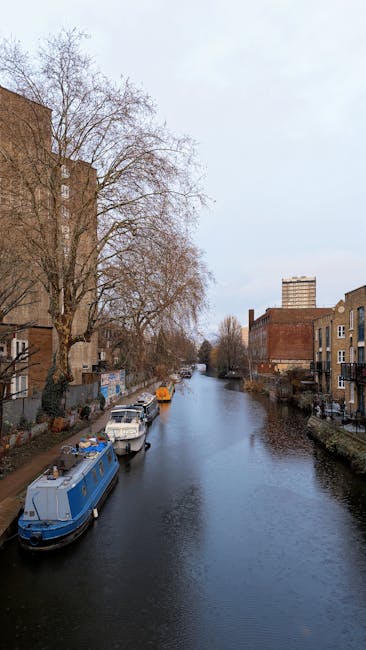
Surrey Quays to Rotherhithe: best routes for bulky waste
If you are trying to move bulky waste from Surrey Quays to Rotherhithe, the real question is rarely just which road is shortest. It is about choosing the route that is practical for loading, safe for neighbours and pedestrians, and sensible for the type of items you are moving. Sofas, broken wardrobes, office desks, loft clutter, garden waste, and renovation offcuts all create different challenges. Some need quick access. Some need careful handling. Some need a route that avoids tight turns, awkward stairwells, or busy pickup points.
This guide breaks down the best routes for bulky waste, how to plan the move, what to avoid, and when a professional clearance service may save time and hassle. You will also find a practical checklist, comparison table, and links to relevant local services for larger clearances in and around Rotherhithe.
Table of Contents
- Why this route matters
- How bulky waste movement works in practice
- Key benefits and practical advantages
- Who this is for and when it makes sense
- Step-by-step guidance
- Expert tips for better results
- Common mistakes to avoid
- Tools, resources and recommendations
- Law, compliance, standards and best practice
- Options, methods, and comparison table
- Case study or real-world example
- Practical checklist
- Conclusion
- Frequently asked questions
Why Surrey Quays to Rotherhithe: best routes for bulky waste Matters
Bulky waste is awkward by nature. It takes up space, is often heavy, and can be difficult to move through residential streets or shared building entrances. In a dense part of South East London, that matters even more. Streets can be narrow, parking can be limited, and access points may be constrained by stairwells, lifts, loading restrictions, or traffic patterns.
Choosing the right route is not just a navigation issue. It affects how safely items can be loaded, how long the job takes, and how much disruption you create. A route that looks short on a map may be poor in practice if it forces repeated reversing, awkward carrying distances, or unnecessary handling around tight corners.
This is especially relevant if you are dealing with mixed loads. A single broken wardrobe is one thing. A full room clearance, a garage clear-out, or a shop refit is quite another. For those situations, the route should be thought through as part of the job itself, not as an afterthought.
If the waste is coming from a home or flat, it may help to look at a broader home clearance service or a more targeted flat clearance option. For heavier furniture, a dedicated furniture clearance or furniture disposal service can be the more efficient choice.
How Surrey Quays to Rotherhithe: best routes for bulky waste Works
The practical process usually starts with identifying the pickup point, the type of bulky waste, and the final handover or disposal destination. From there, the best route depends on access, timing, and the volume being moved.
For local movement between Surrey Quays and Rotherhithe, most people are not planning a long-haul trip. They are planning a loading route, a carrying route, and a vehicle route. Those are not always the same thing.
1. Loading route
This is the path from the item's current location to the vehicle. If you are taking out a sofa from a third-floor flat, the route may need to avoid tight bannisters, low ceilings, or doors that do not open fully. If the waste is in a garden, it may mean finding the least disruptive way through the property without damaging paving or planting.
2. Vehicle route
The vehicle route should support easy stopping, safe loading, and straightforward departure. In a busy riverside area, that often means thinking about parking access, one-way sections, and whether the van can load without blocking pedestrians or local traffic. A route that reduces walking distance can save time and reduce strain.
3. Disposal or transfer route
After pickup, waste should be taken to the appropriate destination for sorting, reuse, recycling, or disposal. Responsible operators usually separate reusable items from waste where possible. That is why a good clearance plan is not only about speed; it is also about what happens after the items leave your property.
For larger or mixed loads, it can help to compare specialist services. A builder's rip-out may suit builders waste clearance, while an office move may be better handled through office clearance or business waste removal.
Key Benefits and Practical Advantages
Getting the route right delivers more than convenience. It can materially improve the outcome of the clearance itself.
- Less handling: Fewer lifts and turns mean lower risk of damage to items, walls, and floors.
- Faster turnaround: Efficient access reduces loading time and keeps the job moving.
- Lower stress: You are not improvising with a heavy item halfway down a staircase.
- Cleaner site conditions: A planned move is less likely to leave mess, scuffs, or blocked entrances.
- Better recycling opportunities: Well-organised loads are easier to sort responsibly.
- More accurate quotes: When access is properly assessed, pricing is usually clearer and fairer.
There is another benefit that people often overlook: the route can shape the type of service you need. A few awkward items might be manageable with a simple pickup. A full clearance across multiple floors may justify a more comprehensive service such as house clearance or loft clearance.
Practical takeaway: the best route is usually the one that reduces carrying distance, avoids bottlenecks, and supports safe loading from start to finish.
Who This Is For and When It Makes Sense
This topic is useful for a broad mix of people, but the details matter depending on what you are clearing.
Homeowners and tenants
If you are replacing furniture, emptying a room, or clearing out a property before a move, bulky items can become the main logistical problem. A sofa in a terrace house, a mattress from a top-floor flat, or a wardrobe tucked into a loft can all require different handling. In those situations, a planned route helps prevent unnecessary damage and delays.
Landlords and managing agents
End-of-tenancy clearances often involve time pressure and shared access. You may need to remove old furniture, mixed household items, or leftover storage from a property quickly and with minimal disturbance. This is where a flat clearance or home clearance approach can be more efficient than trying to piece it together yourself.
Businesses and offices
Desks, chairs, filing cabinets, shelving, and surplus stock are all bulky in a different way. They may be lighter individually, but they become a problem when moved in quantity. For that reason, businesses often benefit from structured office clearance or business waste removal, especially when access windows are tight.
Property renovation and trade work
Builders' rubble, timber offcuts, broken fixtures, and packaging can quickly overwhelm a site. If the route from the work area to the vehicle is not thought through, the job becomes slower and messier. That is where builders waste clearance becomes especially relevant.
Garden, garage, and storage clear-outs
Outbuildings and storage spaces often hide the heaviest surprises. Old bikes, broken tools, paint tins, planters, and forgotten furniture can all add up. For these jobs, the practical route often includes several turns through tight spaces, so a little planning pays off. You might also find garage clearance and garden clearance services particularly useful.
Step-by-Step Guidance
If you want to move bulky waste from Surrey Quays to Rotherhithe as smoothly as possible, use a simple sequence. It keeps the process controlled and prevents those last-minute scrambles that everyone recognises the moment they start dragging a wardrobe towards the door.
- Identify everything that needs removing. Separate bulky items from general rubbish, recyclables, and anything you want to keep.
- Measure access points. Check door widths, stair turns, lift sizes, and any narrow hallways or shared entrances.
- Assess vehicle access. Look at where a van can safely stop, how far the carry distance is, and whether parking restrictions apply.
- Group items by type. Furniture, wood, metal, mixed waste, and garden debris should be kept distinct where possible.
- Prepare the route inside the property. Clear obstacles, protect floors if needed, and make sure doors can stay open safely.
- Confirm disposal expectations. If you are hiring a service, ask what will be reused, recycled, or disposed of.
- Schedule around the least disruptive time. Choose a window that works for neighbours, building access, and traffic conditions.
That last point matters more than people think. A quiet morning slot can be far easier than trying to shift a heavy load in the middle of school-run traffic or when local parking is already under pressure.
Expert Tips for Better Results
Small decisions make a noticeable difference on clearance day.
Think in carrying distance, not just road distance
A route that is one minute shorter by vehicle can still be worse if it adds a long carry from the property to the van. In practice, reducing carrying distance often saves more time than choosing the visually shortest road link.
Break the load into categories
Mixed bulky waste slows everything down. If possible, keep reusable furniture separate from damaged items, and keep clean materials apart from contaminated waste. That can support better sorting later and may improve recycling outcomes.
Protect the route inside the building
Hallways, lifts, and stair edges take more wear than many people expect. A few minutes with corner protection, floor covering, or careful item wrapping can prevent obvious scuffs. This is especially helpful in flats and managed buildings.
Use a realistic two-person plan for awkward items
Some items are not just heavy; they are unbalanced. A mattress, wardrobe, or large desk can twist unexpectedly on stairs. Two people with a clear lifting plan is usually safer than trying to muscle through it.
Ask the right question before booking
Do not only ask, "Can you remove it?" Ask, "What route and access do you need to do it efficiently?" That one question often reveals whether a job is simple or more involved than it first appears.
Common Mistakes to Avoid
A lot of bulky waste headaches come from predictable mistakes. The good news is that they are easy to avoid once you know what to look for.
- Assuming the shortest route is the best route. A shorter road route may still be worse for loading or parking.
- Forgetting access constraints. Lift sizes, stair turns, and shared entrances can change the plan completely.
- Leaving sorting until the end. Mixed piles take longer and can complicate recycling or disposal.
- Blocking walkways or exits. This is a safety issue and a nuisance for neighbours or building users.
- Underestimating the weight of furniture. Old wardrobes, sofas, and filing cabinets are often heavier than they look.
- Ignoring disposal expectations. You should know where items are going, especially if you care about reuse or recycling.
- Waiting until the last minute. Rush jobs usually cost more time and create more stress.
Truth be told, most clearance problems do not start with the waste itself. They start with the plan around the waste.
Tools, Resources and Recommendations
You do not need specialist kit for every job, but the right basics help a lot.
- Measuring tape: Useful for checking doors, corridors, and lift openings.
- Strong gloves: A simple way to improve grip and reduce minor cuts or scrapes.
- Protective blankets or covers: Helps protect walls, floors, and item surfaces during movement.
- Furniture straps or trolleys: Helpful for heavier or awkward items, if used properly.
- Clear labelling: Makes it easier to separate keep, donate, recycle, and dispose piles.
For many readers, the most useful resource is a good service page that matches the job to the item type. If the load is mostly old chairs, cabinets, and desks, furniture disposal may be enough. If you are clearing a whole property, a broader waste removal service can be more appropriate.
You can also review the company's recycling and sustainability approach if responsible handling matters to you, and check insurance and safety information for extra reassurance before booking.
Law, Compliance, Standards, or Best Practice
When waste is being moved and handed over, compliance and good practice matter. You do not need to become a legal expert, but you should make sure the service you use handles waste responsibly and safely.
In the UK, waste must be transferred and handled appropriately. If you are hiring a removal service, it is sensible to ask whether they operate in line with accepted waste-handling practices, whether items are taken to authorised facilities, and how recycling is managed. If you are a business, the standards around storage, segregation, and duty of care become even more relevant.
Best practice usually includes the following:
- safe lifting and handling procedures
- clear communication about access and load type
- appropriate separation of reusable and non-reusable items
- responsible transfer to legitimate disposal or recycling routes
- respect for shared spaces, neighbours, and building rules
If you want to understand company standards before booking, it can help to review the site's health and safety policy, terms and conditions, and about us page. Those pages help set expectations, which is always useful before anyone starts carrying a sofa down three flights of stairs.
Options, Methods, or Comparison Table
There is no single best method for every bulky waste job. The right choice depends on volume, access, item type, and how much help you want.
| Method | Best for | Pros | Watch out for |
|---|---|---|---|
| Self-moving with a van | Small loads, one-off items | Flexible timing, simple for light jobs | Manual handling, parking, lifting risk |
| Man-and-van clearance | Mixed bulky items, awkward access | Fast, practical, less strain on you | Needs clear access details to price accurately |
| Full-property clearance | House moves, bereavement, end-of-tenancy | Comprehensive, less coordination for you | May be more than you need for a small load |
| Specialist furniture pickup | Sofas, wardrobes, desks, beds | Efficient for large household pieces | Not ideal if the load is mixed with rubble or garden waste |
| Business or office removal | Desks, filing, stock, fit-out waste | Structured, better for larger commercial loads | Access timing and building rules need careful planning |
If the load is mainly household furniture, the simplest path may be a targeted service. If the job includes multiple rooms or shared areas, a broader house clearance may be better value in the end.
Case Study or Real-World Example
Consider a typical local scenario. A resident in Surrey Quays is clearing a one-bedroom flat before moving out. The main items are a sofa, bed frame, mattress, coffee table, and several boxes of mixed clutter. On paper, it looks straightforward. In reality, the building has a narrow lift, a small entrance lobby, and limited parking outside.
The first step is not loading the van. It is planning the route from the flat to the vehicle. The team checks the lift size, confirms whether the sofa needs to be dismantled, and identifies the safest exit path to avoid blocking the communal hallway. They also check whether the road side offers safe stopping for enough time to load without rushing.
That simple planning cuts down on wasted movement. The sofa comes out first, while the smaller items are staged near the door. The bed frame is broken down in advance. The result is a shorter on-site visit, less disturbance for neighbours, and a cleaner handover overall.
If the same flat had included boxes of archive paperwork and old office chairs, the best route would have looked slightly different again, and an office clearance style approach may have been more suitable for part of the job.
Expert summary: in local bulky waste jobs, the smartest route is often the one that simplifies handling, not just transport.
Practical Checklist
Use this before booking or moving anything heavy.
- List every bulky item that needs removing
- Measure doors, stair turns, and lift access
- Confirm where the vehicle can stop safely
- Check whether items need dismantling first
- Separate furniture, rubble, garden waste, and general clutter
- Protect floors, corners, and shared spaces where needed
- Choose the least disruptive time window
- Ask where the items will be reused, recycled, or disposed of
- Review pricing details before confirming the job
- Make sure contact details are ready in case access changes on the day
If you are still deciding whether to book, the pricing and quotes page is a sensible next stop. It helps set expectations before you commit, which is always better than guessing.
Conclusion
Finding the best route for bulky waste between Surrey Quays and Rotherhithe is really about reducing friction. The right approach keeps the carrying distance short, the access safe, the loading efficient, and the whole job calmer for everyone involved. Whether you are moving a single large item or dealing with a full property clear-out, route planning makes a real difference.
If you take anything from this guide, let it be this: think about the waste path from inside the property to the vehicle, not just the map route between postcodes. That shift alone prevents many of the common problems people run into.
Get a free quote today and see how much you can save.
To discuss a suitable clearance option or book a collection, you can also visit the contact page and share the details of your load, access, and preferred timing.
Frequently Asked Questions
What is the best route for bulky waste between Surrey Quays and Rotherhithe?
The best route is usually the one that offers the easiest access for loading, the shortest safe carry distance, and the least disruption. In practice, that may not be the geographically shortest road.
Do I need a special service for a single large item like a sofa?
Not always. A single sofa, wardrobe, or bed can often be handled through furniture-focused removal. If the item is awkward, heavy, or upstairs, a dedicated furniture disposal or clearance service may be easier.
Is it better to clear bulky waste myself or hire a service?
If you have only one or two manageable items and easy access, self-moving may work. If you face stairs, parking limits, multiple items, or mixed waste, hiring a service is often safer and less time-consuming.
What kind of waste counts as bulky waste?
Bulky waste usually means large items that are hard to move in normal bins or bags, such as furniture, mattresses, desks, cabinets, appliances, and some garden items.
How do I prepare a flat for bulky waste collection?
Clear a path, measure access points, identify what is being removed, and check whether items need dismantling. If the property is being emptied, a flat clearance service can simplify the process.
Can bulky waste be reused or recycled?
Often, yes. The outcome depends on the item's condition and material type. Reusable furniture, metal, and some wood items may be separated for recycling or reuse where appropriate.
What if my building has narrow stairs or a small lift?
That is exactly the kind of detail you should mention before booking. Narrow access may affect the route, the number of people needed, and whether items should be dismantled first.
Are there any compliance issues I should think about?
Yes. Waste should be handled responsibly and transferred to legitimate disposal or recycling routes. If you are a business, you should be especially careful about duty of care and proper segregation.
What is the difference between waste removal and clearance?
Waste removal is a broad term for taking items away. Clearance usually suggests a more structured service, often for a room, property, office, or specific category of items.
How can I avoid damage during bulky item removal?
Protect floors and corners, measure routes in advance, and do not force oversized items through tight spaces. A careful plan is usually cheaper than repairing a scratched wall or broken frame.
What if I have a mix of furniture, garden waste, and builder's debris?
Mixed loads are common, but they need planning. You may need a broader service or multiple categories of clearance. For renovation debris, builders waste clearance is often the right fit for part of the load.
How do I get a quote for my bulky waste collection?
Give clear details about item types, access, floor level, parking, and timing. The more accurate your information, the more useful the quote will be. You can start with the pricing and quotes page or go straight to contact the team.